
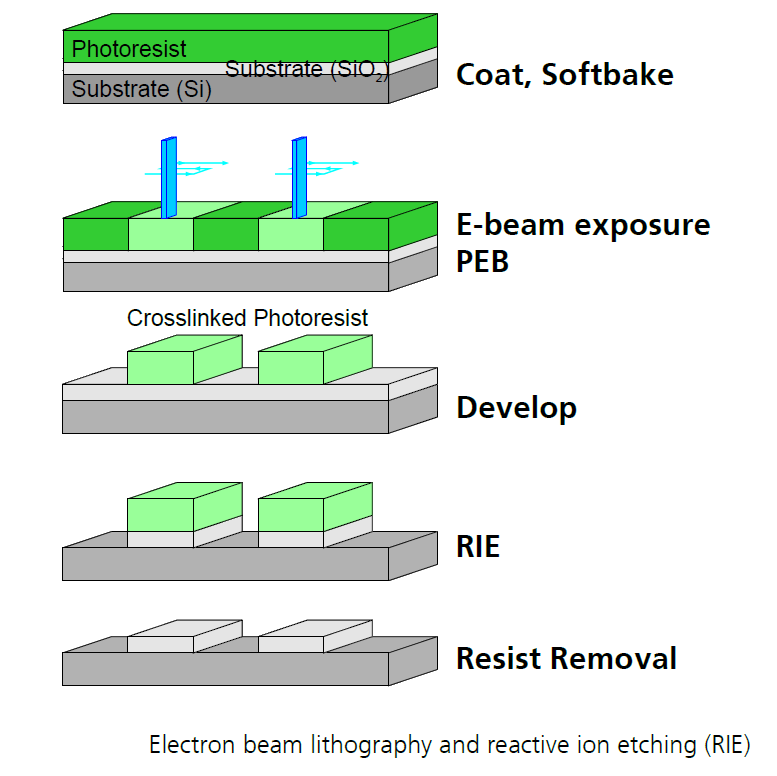
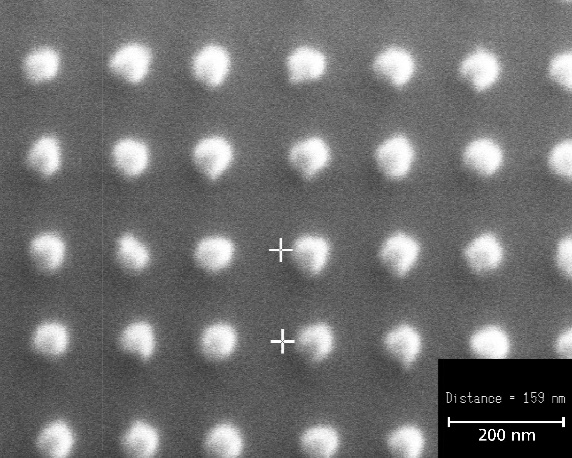
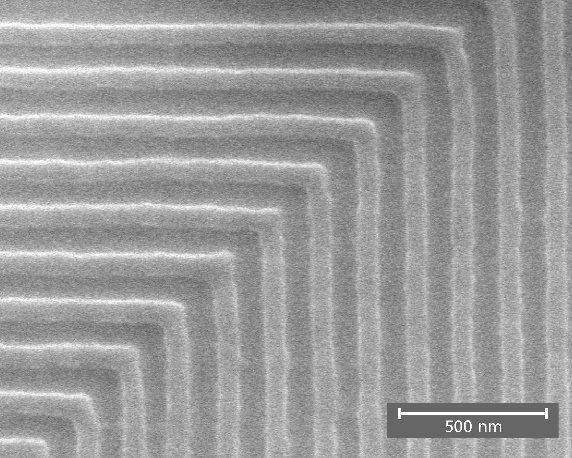
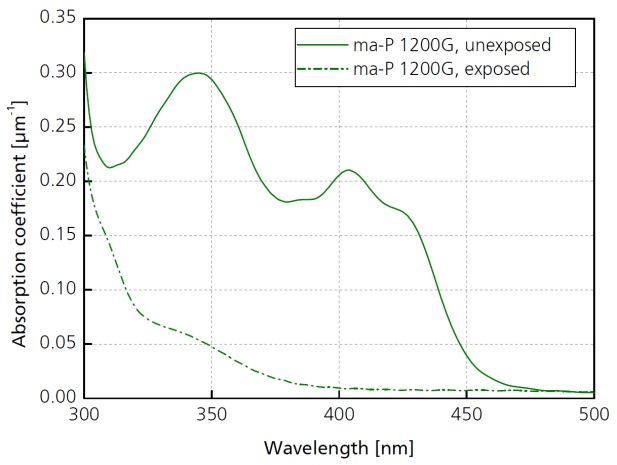
Filter by category, process, application, and much more!
| Resist | Film Thickness [µm] spin coating @ 3000 rpm |
Spectral Sensitivity | Special Feature |
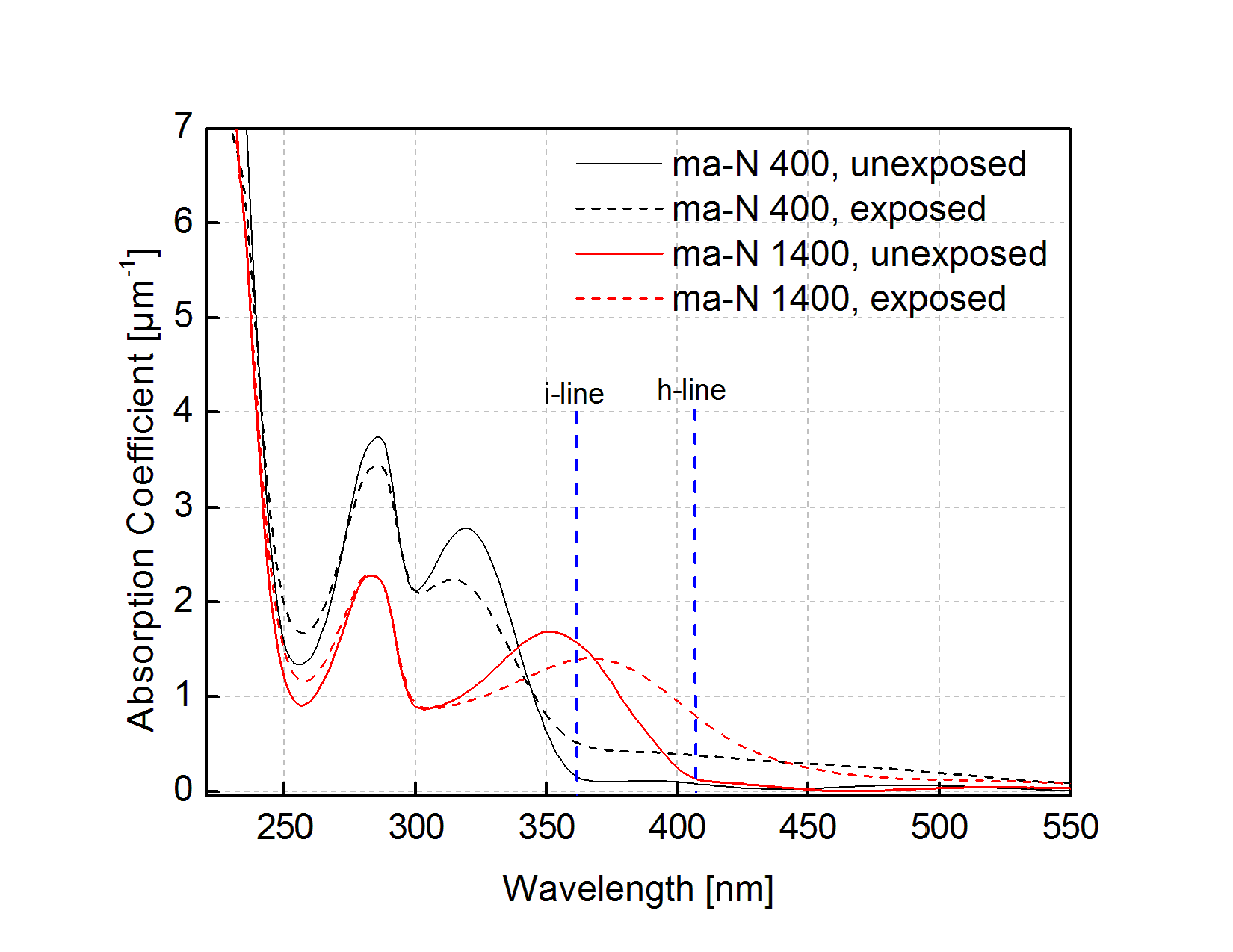
| ma-N 1405 | 0.5 | 300 - 410nm
i-line - 365 nm (h-line - 405 nm) |
Novolak based resist, thermal stability up to 160°C for metal evaporation and sputtering |
| ma-N 1407 | 0.7 | ||
| ma-N 1410 | 1.0 | ||
| ma-N 1420 | 2.0 | ||
| ma-N 1440 | 4.0 | ||
| ma-N 402 | 0.2 | 300 - 380nm
i-line - 365 nm |
Novolak based resist, thermal stability up to 110°C for metal evaporation |
| ma-N 405 | 0.5 | ||
| ma-N 415 | 1.5 | ||
| ma-N 420 | 2.0 | ||
| ma-N 440 | 4.1 | ||
| ma-N 490 | 7.5 |
Recommended process chemicals:
for ma-N 1400 Series
Thinner: ma-T 1046
Developer: ma-D 533/S (TMAH based)
Remover: mr-Rem 700 (NMP & NEP free), mr-Rem 500 (NMP free), ma-R 404/S (strongly alkaline)
Lift-off: mr-Rem 700 (NMP & NEP free), mr-Rem 500 (NMP free)
for ma-N 400 Series
Thinner: ma-T 1049
Developer: ma-D 331/S, ma-D 332/S (NaOH based), 531/S, ma-D 532/S (TMAH based)
Remover: mr-Rem 700 (NMP & NEP free), mr-Rem 500 (NMP free), ma-R 404/S (strongly alkaline)
Lift-off: mr-Rem 700 (NMP & NEP free), mr-Rem 500 (NMP free)
| Resist | Film Thickness [µm] spin coating @ 3000 rpm |
Spectral Sensitivity | Special Feature |
| ma-N 402 | 0.2 | 300 - 380nm
i-line - 365 nm |
Novolak based resist, thermal stability up to 110°C for metal evaporation |
| ma-N 405 | 0.5 | ||
| ma-N 415 | 1.5 | ||
| ma-N 420 | 2.0 | ||
| ma-N 440 | 4.1 | ||
| ma-N 490 | 7.5 | ||
| ma-N 1405 | 0.5 | 300 - 410nm
i-line - 365 nm (h-line - 405 nm) |
Novolak based resist, thermal stability up to 160°C for metal evaporation and sputtering |
| ma-N 1407 | 0.7 | ||
| ma-N 1410 | 1.0 | ||
| ma-N 1420 | 2.0 | ||
| ma-N 1440 | 4.0 |
Recommended process chemicals:
for ma-N 400 Series
Thinner: ma-T 1049
Developer: ma-D 331/S, ma-D 332/S (NaOH based), 531/S, ma-D 532/S (TMAH based)
Remover: mr-Rem 700 (NMP & NEP free), mr-Rem 500 (NMP free), ma-R 404/S (strongly alkaline)
Lift-off: mr-Rem 700 (NMP & NEP free), mr-Rem 500 (NMP free)
for ma-N 1400 Series
Thinner: ma-T 1046
Developer: ma-D 533/S (TMAH based)
Remover: mr-Rem 700 (NMP & NEP free), mr-Rem 500 (NMP free), ma-R 404/S (strongly alkaline)
Lift-off: mr-Rem 700 (NMP & NEP free), mr-Rem 500 (NMP free)
| Resist | Film Thickness [µm] Spin Coating @ 3000 rpm | Sensitivity | Special Feature |
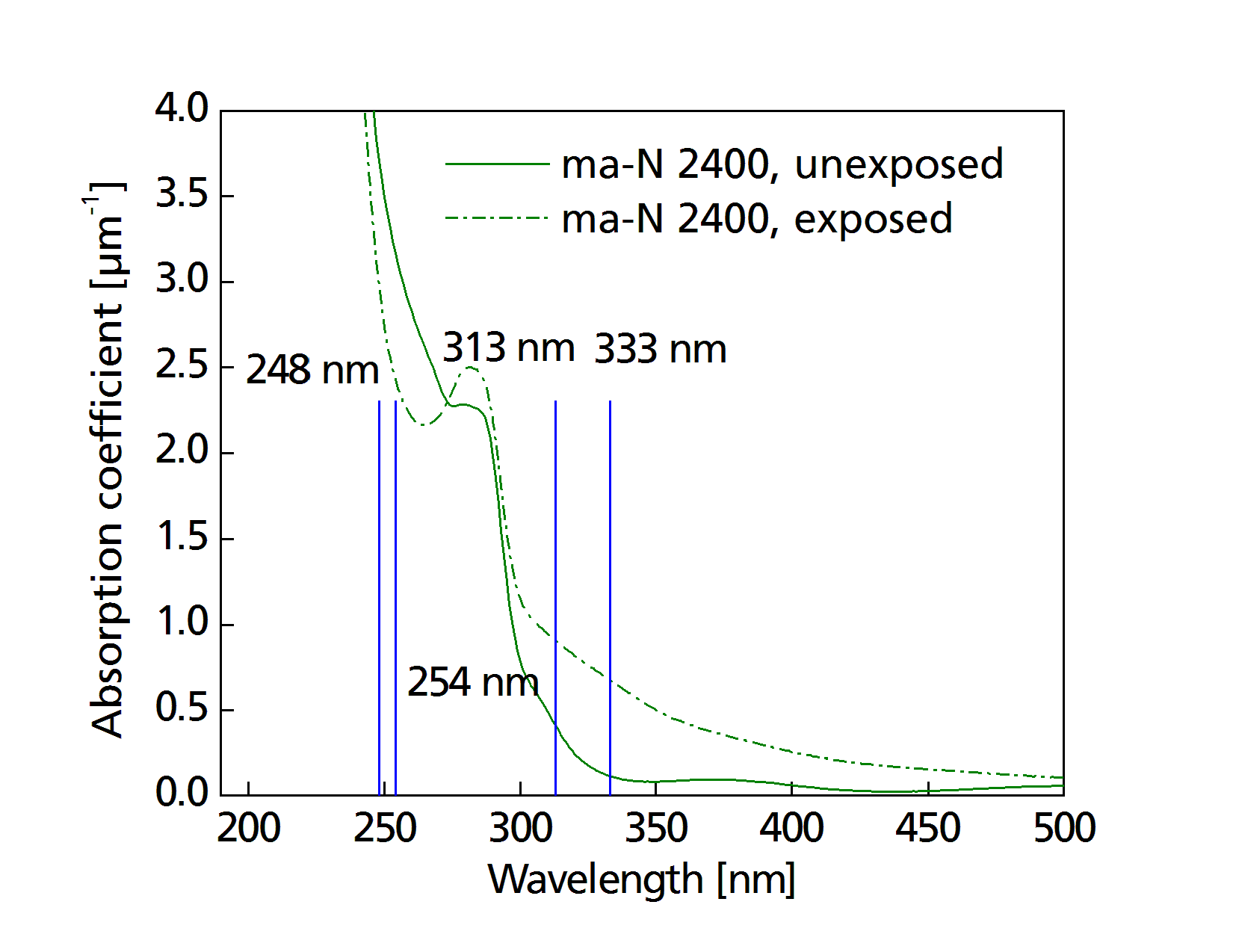
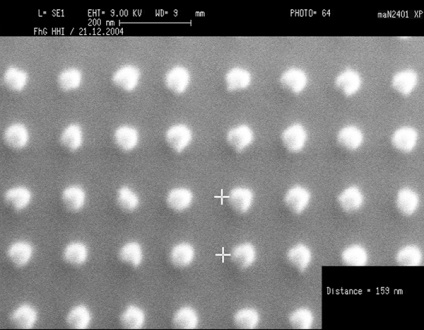
| ma-N 2401 | 0.1 | E-beam
Deep UV: 248nm / 254nm |
novolak based resist,
high wet and dry etch resistance |
| ma-N 2403 | 0.3 | ||
| ma-N 2405 | 0.5 | ||
| ma-N 2410 | 1.0 |
Recommended process chemicals:
Thinner: ma-T 1090
Developer: ma-D 525 (TMAH based), ma-D 331, ma-D 332 (NaOH based)
Remover: mr-Rem 700 (NMP & NEP free), mr-Rem 500 (NMP free), ma-R 404/S (strongly alkaline)
| Resist | Thickness range [µm] Spin Coating @ 1000 - 6000 rpm |
Spectral Sensitivity | Special Feature |
| mr-DWL 5 | 3 - 15 | 350 nm - 410 nm
i-line/ h-line |
designed for patterning by direct laser writing (DLW & 2PP),
high dry and wet etch resistance for non & permanent optical application |
| mr-DWL 40 | 10 - 100 | ||
| mr-DWL 100 | 20 - 150 |
Recommended process chemicals:
Thinner: no thinner available
Developer: mr-Dev 600 (solvent based)
Remover: mr-Rem 700 (NMP & NEP free), mr-Rem 500 (NMP free), O2-Plasma
| Resist | Thickness range [µm] spin coating @ 3000 rpm |
Spectral Sensitivity | Special Feature of manufactured waveguide |
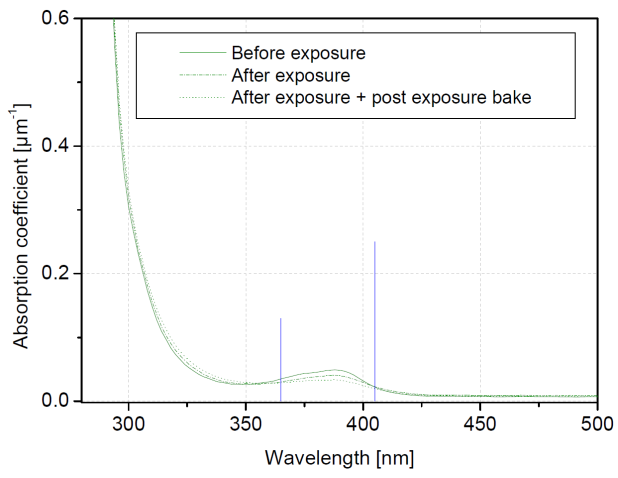
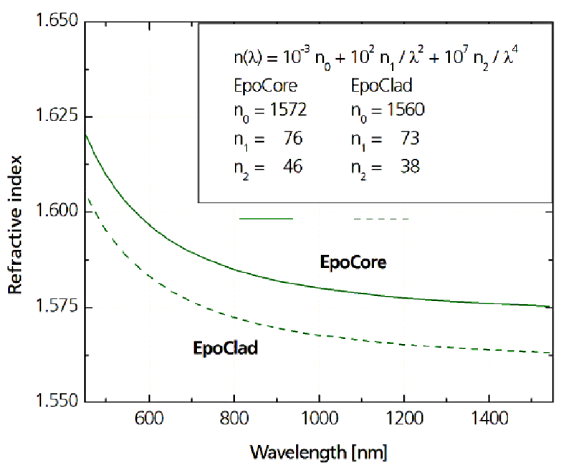
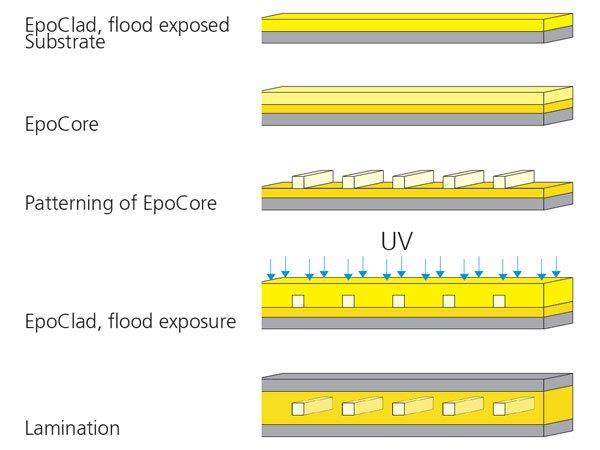
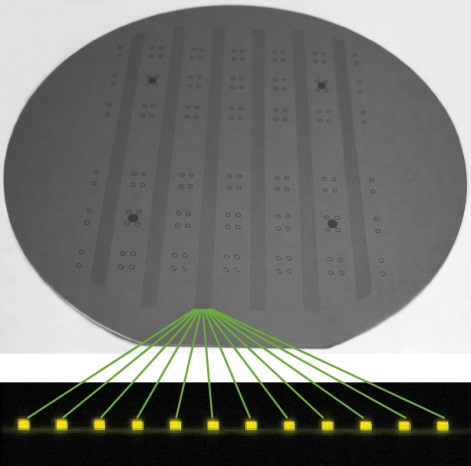
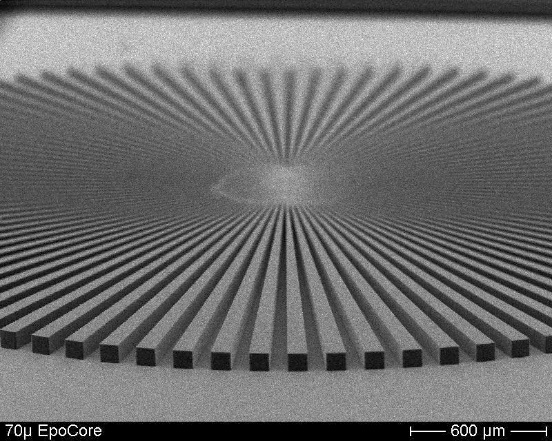
| EpoCore 2 | 2 | i-line - 365nm | Refractive index @ 830 nm: EpoCore: 1.58, EpoClad: 1.57, low shrinkage, high thermal stability up to 230°C, low optical loss ̴0.2dB/cm @ 850nm |
| EpoCore 5 | 5 | ||
| EpoCore 10 | 10 | ||
| EpoCore 20 | 20 | ||
| EpoCore 50 | 50 (@ 1.500 rpm) | ||
| EpoClad 2 | 2 | ||
| EpoClad 5 | 5 | ||
| EpoClad 10 | 10 | ||
| EpoClad 20 | 20 | ||
| EpoClad 50 | 50 (@ 1.700 rpm) |
Recommended process chemicals:
Thinner: no thinner available
Developer: mr-Dev 600 (solvent based)
Remover: mr-Rem 700 (NMP & NEP free), mr-Rem 500 (NMP free), O2-plasma
| Resist | Film Thickness [µm] Spin Coating @ 3000 rpm |
Sensitivity | Special Feature |
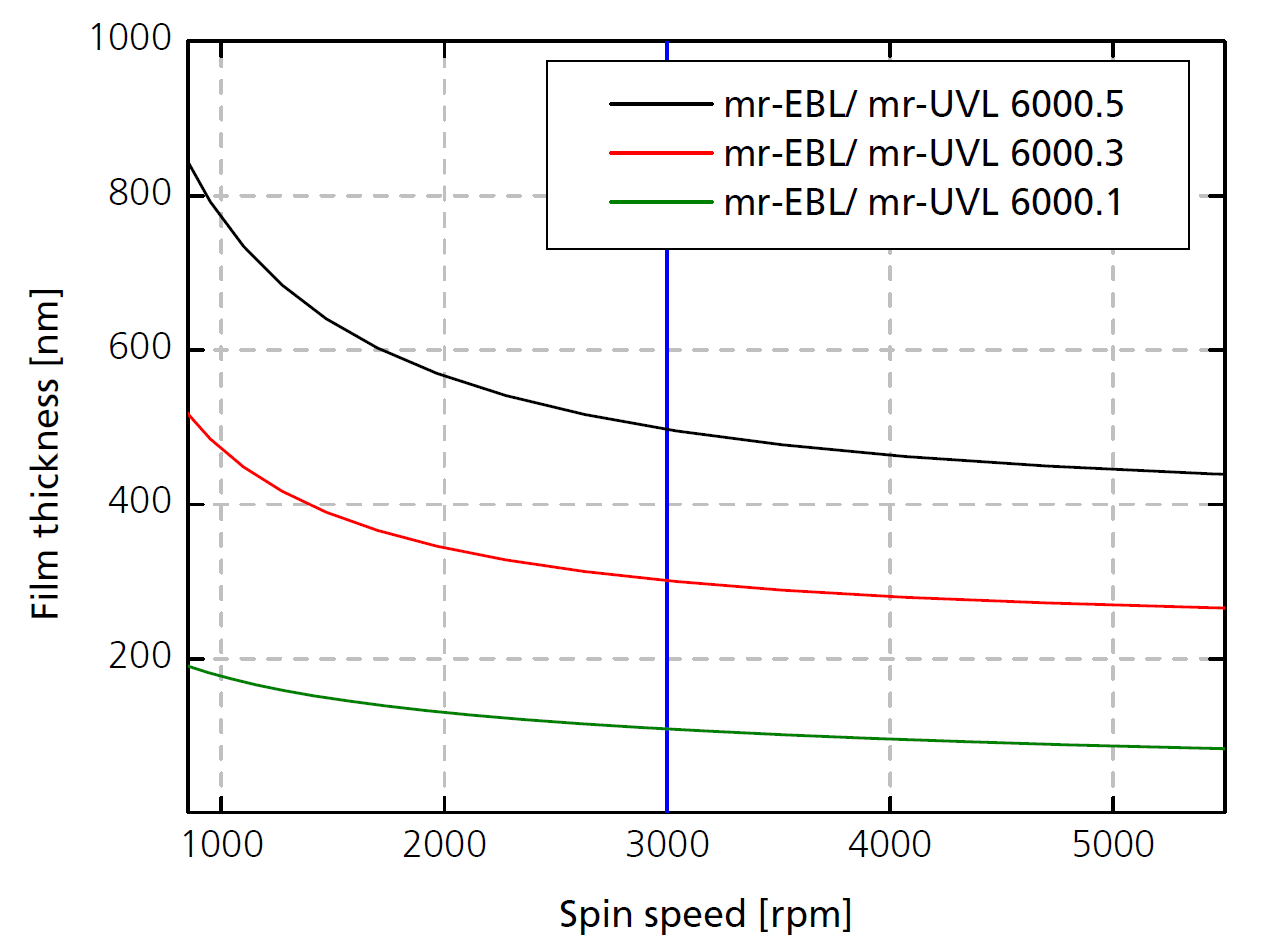
| mr-EBL 6000.1 | 0.1 | E-beam | excellent thermal stability, high wet and dry etch resistance |
| mr-EBL 6000.3 | 0.3 | ||
| mr-EBL 6000.5 | 0.5 |
Recommended process chemicals:
Thinner: ma-T 1045
Developer: mr-Dev 600 (solvent based)
Remover: mr-Rem 700 (NMP & NEP free), mr-Rem 500 (NMP free), O2-Plasma
| Resist | Film Thickness [µm] spin coating @ 3000 rpm |
Spectral Sensitivity | Special Feature |
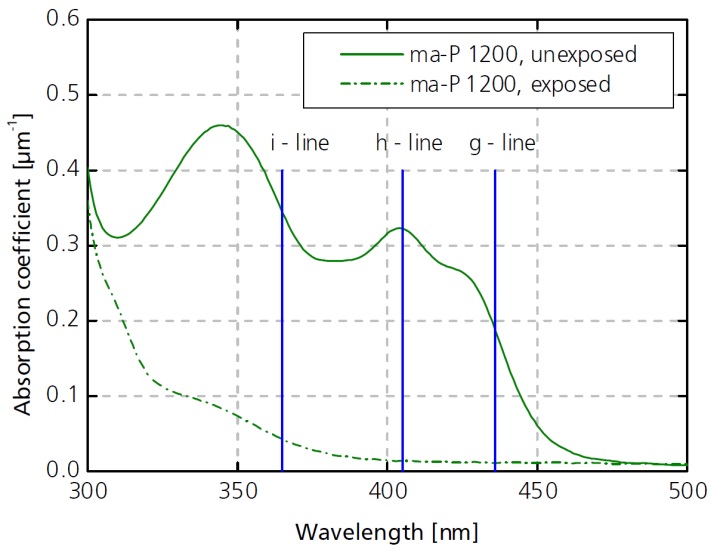
| ma-P 1215G | 1.5 | 350 - 450nm
i-line - 365 nm h-line - 405 nm g-line - 436 nm |
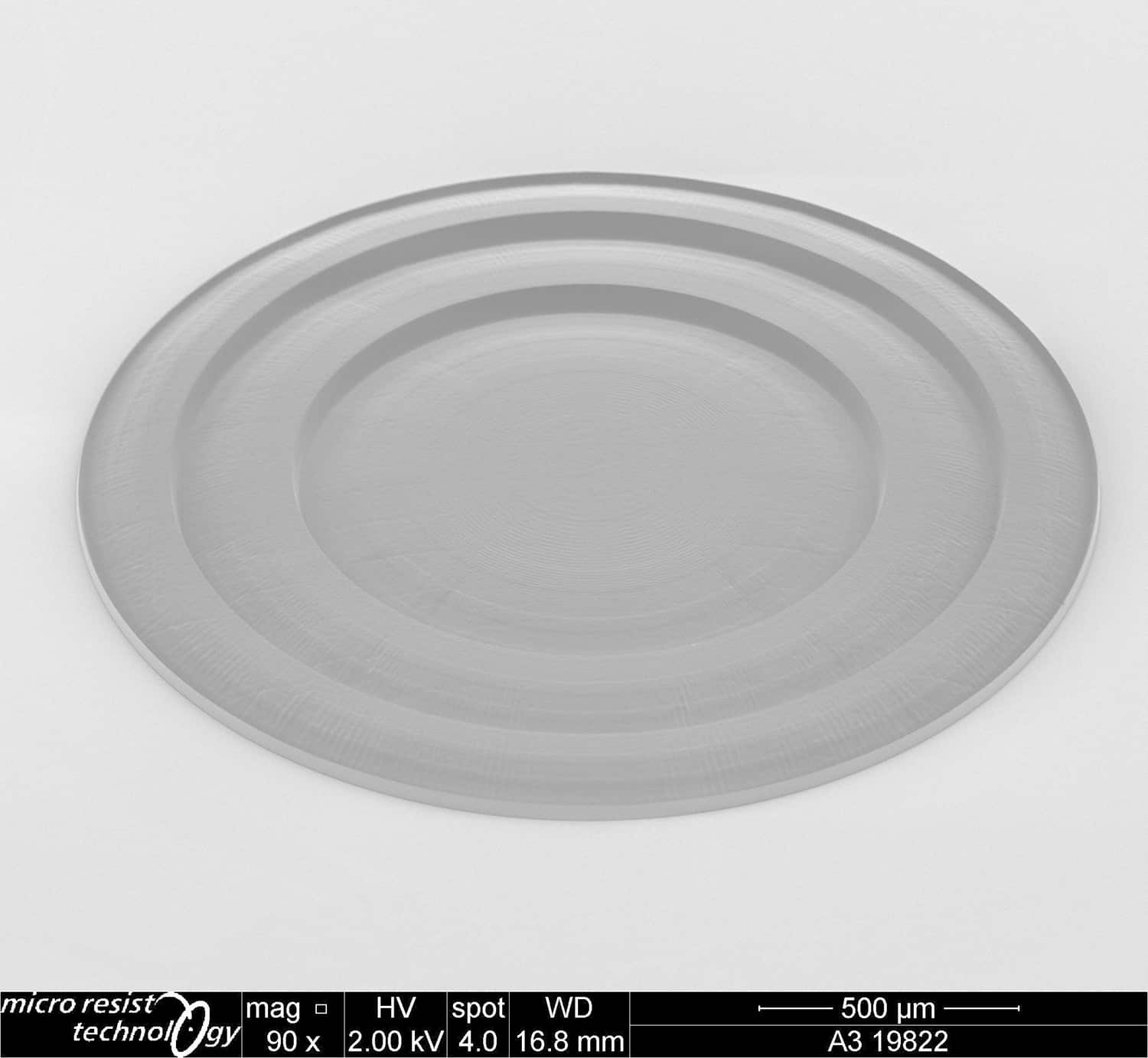
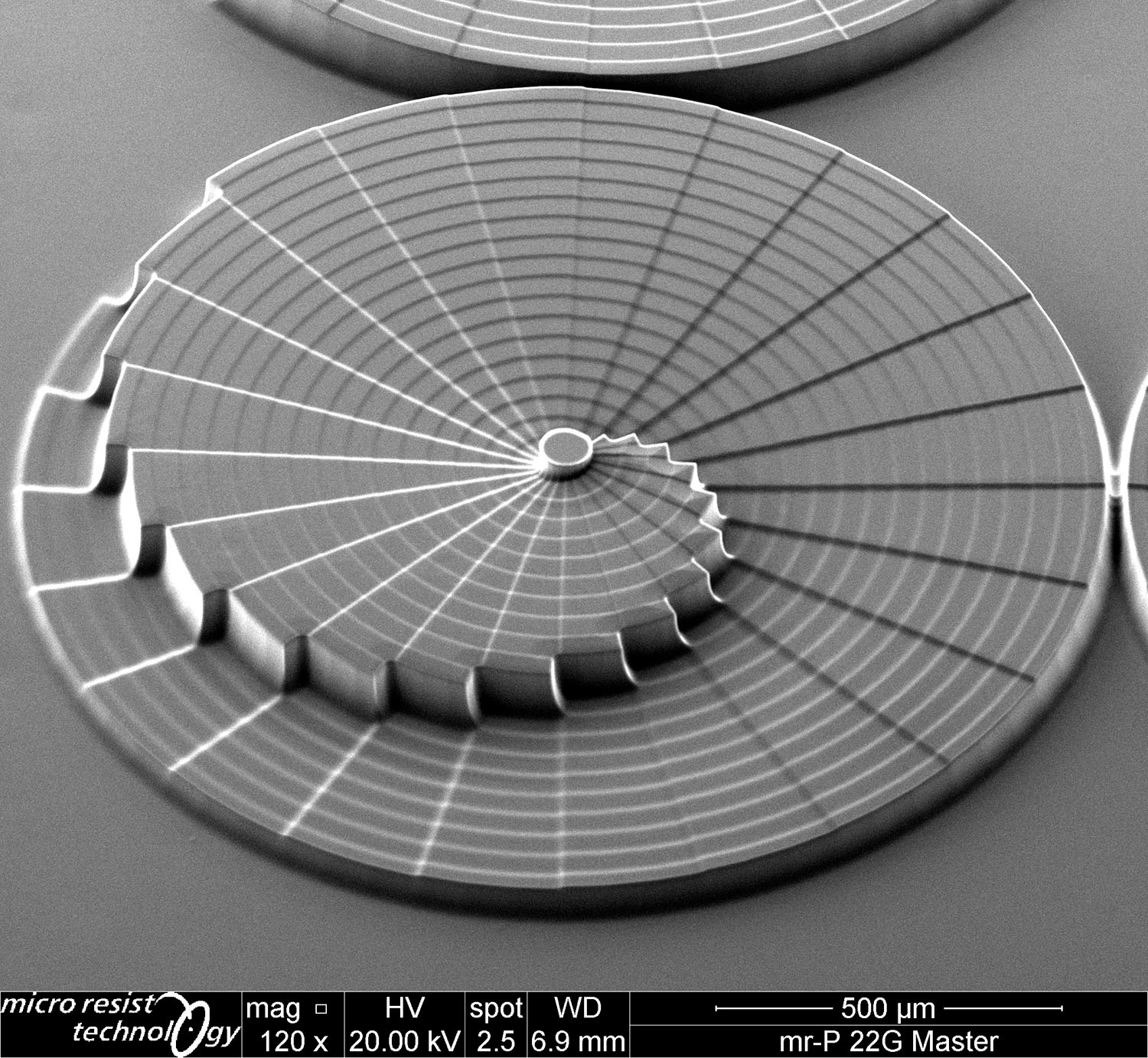
"For grey scale lithography of up to 80 µm thick films Suitable for standard binary lithography High stability in plating baths High etch resistance" |
| ma-P 1225G | 2.5 | ||
| ma-P 1240G | 4.0 | ||
| ma-P 1275G | 9.5
(up to 60 µm with single coating at medium spin speed and very short spin time) |
Recommended process chemicals:
Thinner: ma-T 1050
Developer: mr-D 526/S, ma-D 532/S (TMAH based) for greyscale lithography ( ma-D 532/S for higher developing rate in thick film, ma-D 331 (NaOH based) for standard lithography
Remover: mr-Rem 700 (NMP & NEP free), mr-Rem 500 (NMP free), ma-R 404/S (strongly alkaline)
Strukturübertragung:
| Resist | Schichtdicke [µm] @ 3000 rpm | Spektrale Empfindlichkeit | Eigenschaften |
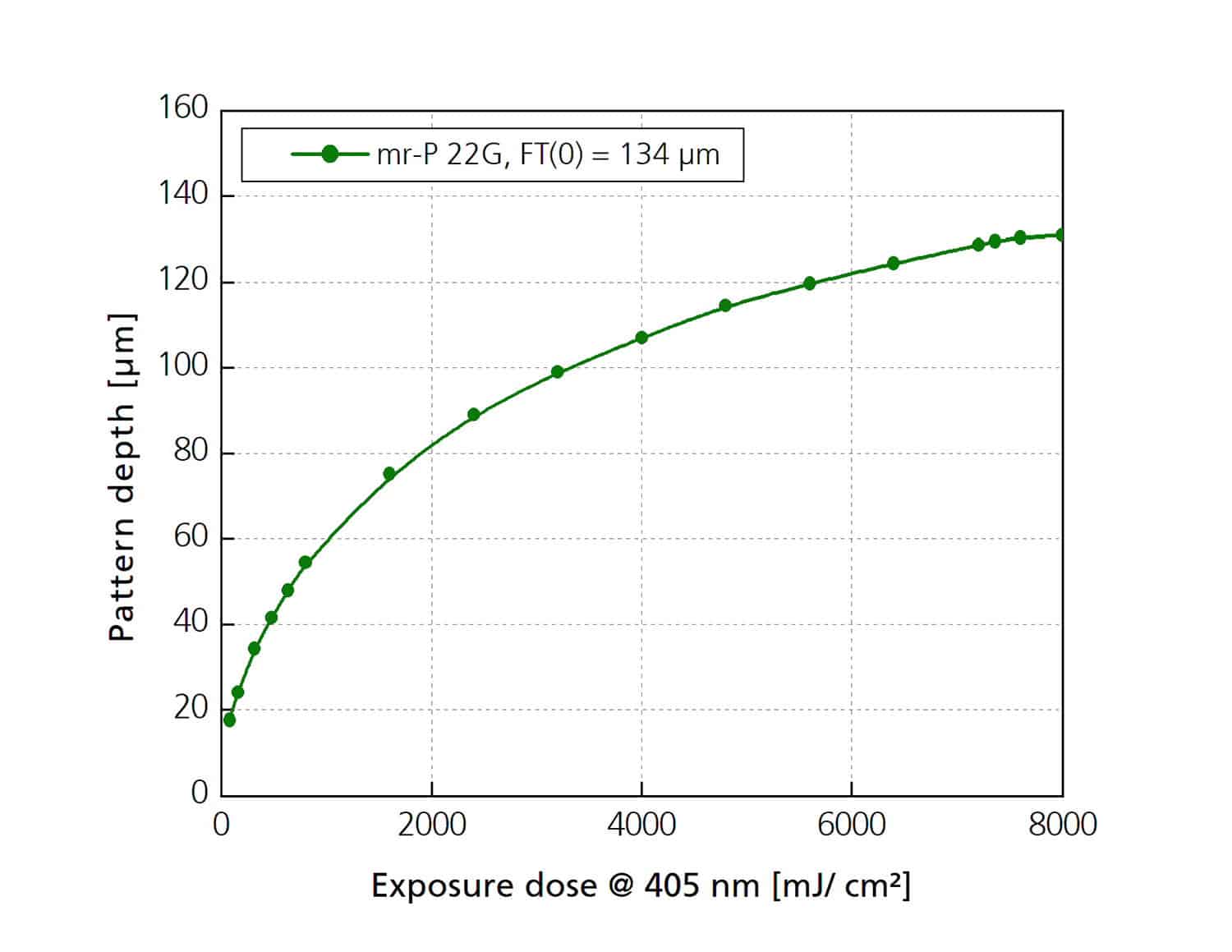
| mr-P 22G | Bis zu 140 µm in Einfachbeschichtung und bis zu 200 µm in Doppelbeschichtung | 330 nm – 420 nm
(i-line and h-line) |
Für die Fabrikation von bis 160 µm tiefen Grautonstrukturen in bis zu 200 µm dicken Schichten |
| Resist | Film Thickness [µm] spin coating @ 3000 rpm |
Spectral Sensitivity | Special Feature |
| ma-P 1205 | 0.5 | 350 - 450nm
i-line - 365 nm h-line - 405 nm g-line - 436 nm |
For standard binary lithography of 0.3 - 50 µm thick films High stability in plating baths High etch resistance |
| ma-P 1210 | 1.0 | ||
| ma-P 1215 | 1.5 | ||
| ma-P 1225 | 2.5 | ||
| ma-P 1240 | 4.0 | ||
| ma-P 1275 | 7.5
(up to 40 µm at lower spin speeds) |
||
| ma-P 1275HV | 11
(up to 50 µm at lower spin speeds) |
Recommended process chemicals:
Thinner: ma-T 1050
Developer: mr-D 526/S (TMAH based), ma-D 331 (NaOH based)
Remover: mr-Rem 700 (NMP & NEP free), mr-Rem 500 (NMP free), ma-R 404/S (strongly alkaline)
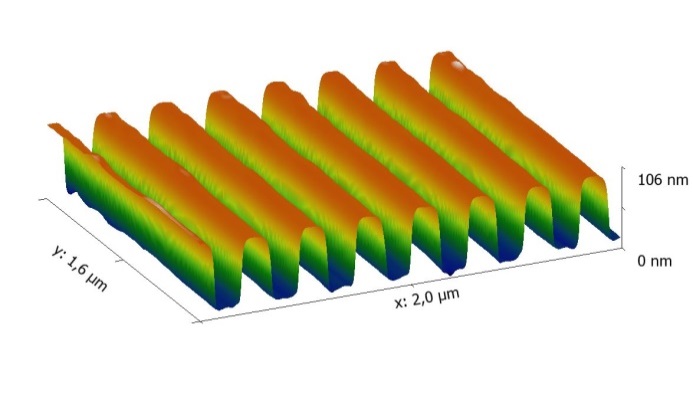
Masking of substrate surfaces during fabrication of steep-edged nano structures for diffractive optics:
| Resist | Film Thickness [µm] spin coating @ 3000 rpm |
Spectral Sensitivity | Special Feature |
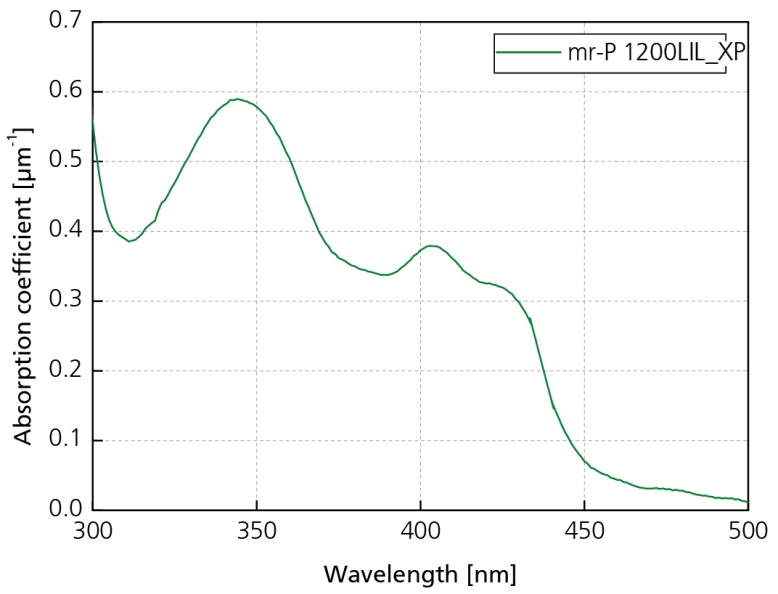
| mr-P 1201LIL | 0.1 | 330 - 450nm
i-line - 365 nm h-line - 405 nm g-line - 463nm |
For fabrication of steep-edged nano structures with laser interference lithography |
| mr-P 1202LIL | 0.2 |
Recommended process chemicals:
Thinner: ma-T 1050
Developer: ma-D 374/S (metal ion bearing, silicate/phosphate based)
Remover: mr-Rem 700 (NMP & NEP free), mr-Rem 500 (NMP free), ma-R 404/S (strongly alkaline)
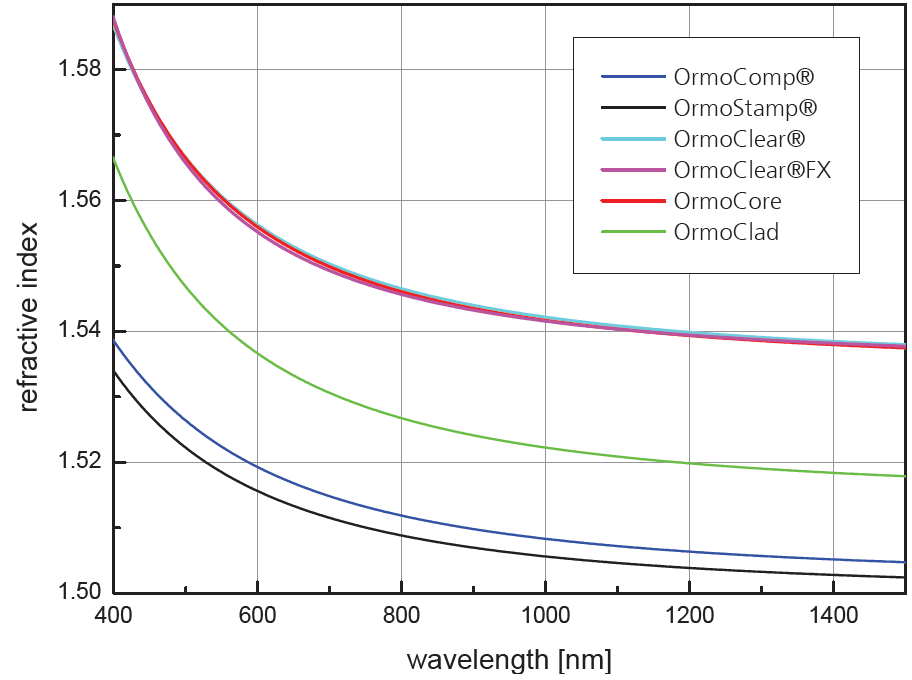
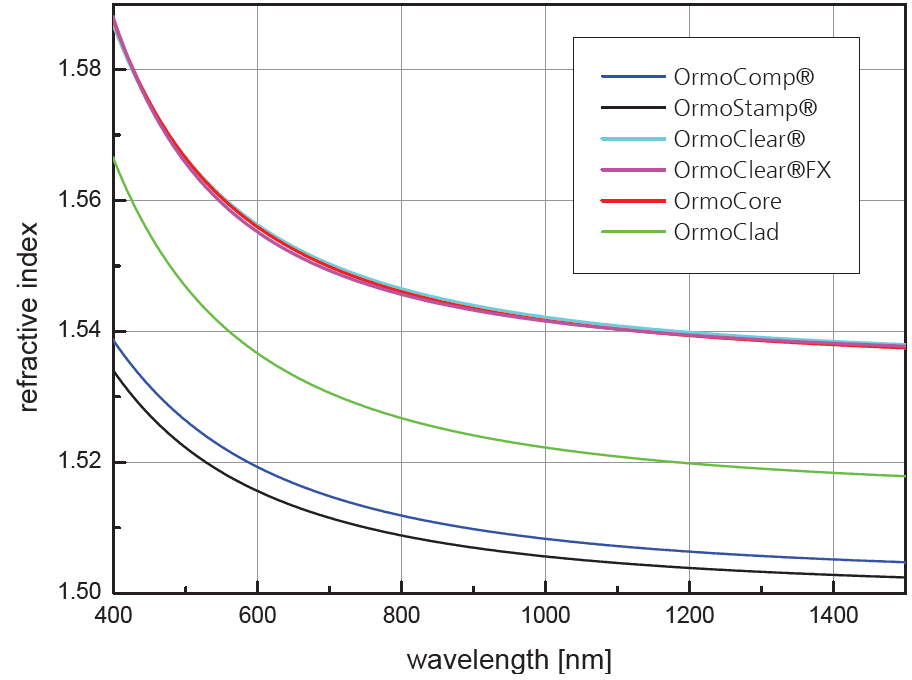
| Material | Refractive Index (589 nm) | Viscosity
[Pas] |
Preferred processing | Typical end use application | Replication with PDMS molds
(no oxygen sensitivity) |
| OrmoComp® | 1.520 | 2.0 ± 0.5 | UV imprint
UV molding |
Nano- and micro optics | + |
| Alternative Hybrid Polymer materials | |||||
| OrmoClear®FX | 1.555 | 1.5 ± 0.3 | UV imprint and UV molding | Nano- and micro optics | + |
| OrmoClear® | 1.555 | 2.9 ± 0.3 | UV imprint and UV molding | Nano- and micro optics | - |
| OrmoClear®30 | 1.561 | 30 ± 3 | UV imprint and UV molding | Micro optics | - |
| OrmoStamp®FF | 1.516 | 0.5 ± 0.1 | UV imprint and UV molding | Working stamp fabrication | + |
| OrmoClad | 1.537 | 2.5 ± 1.0 | UV imprint
UV molding UV lithography |
Waveguides | - |
| OrmoCore | 1.555 | 2.9 ± 0.4 | UV imprint
UV molding UV lithography |
Waveguides | - |
| Material | Refractive Index (589 nm) | Viscosity
[Pas] |
Preferred processing | Typical end use application | Replication with PDMS molds
(no oxygen sensitivity) |
| OrmoStamp®FF | 1.516 | 0.5 ± 0.1 | UV imprint and UV molding | Working stamp fabrication | + |
| Alternative Hybrid Polymer materials | |||||
| OrmoComp® | 1.520 | 2.0 ± 0.5 | UV imprint
UV molding |
Nano- and micro optics | + |
| OrmoClear®FX | 1.555 | 1.5 ± 0.3 | UV imprint and UV molding | Nano- and micro optics | + |
| OrmoClear® | 1.555 | 2.9 ± 0.3 | UV imprint and UV molding | Nano- and micro optics | - |
| OrmoClear®30 | 1.561 | 30 ± 3 | UV imprint and UV molding | Micro optics | - |
| OrmoClad | 1.537 | 2.5 ± 1.0 | UV imprint
UV molding UV lithography |
Waveguides | - |
| OrmoCore | 1.555 | 2.9 ± 0.4 | UV imprint
UV molding UV lithography |
Waveguides | - |
| Material | Refractive Index (589 nm) | Viscosity
[Pas] |
Preferred processing | Typical end use application | Replication with PDMS molds
(no oxygen sensitivity) |
| OrmoClear® | 1.555 | 2.9 ± 0.3 | UV imprint and UV molding | Micro optics | - |
| OrmoClear®30 | 1.561 | 30 ± 3 | UV imprint and UV molding | Micro optics | - |
| Alternative Hybrid Polymer materials | |||||
| OrmoComp® | 1.520 | 2.0 ± 0.5 | UV imprint
UV molding |
Nano- and micro optics | + |
| OrmoClear®FX | 1.555 | 1.5 ± 0.3 | UV imprint and UV molding | Nano- and micro optics | + |
| OrmoStamp®FF | 1.516 | 0.5 ± 0.1 | UV imprint and UV molding | Working stamp fabrication | + |
| OrmoClad | 1.537 | 2.5 ± 1.0 | UV imprint
UV molding UV lithography |
Waveguides | - |
| OrmoCore | 1.555 | 2.9 ± 0.4 | UV imprint
UV molding UV lithography |
Waveguides | - |
| Material | Refractive Index (589 nm) | Viscosity
[Pas] |
Preferred processing | Typical end use application | Replication with PDMS molds
(no oxygen sensitivity) |
| OrmoClear®FX | 1.555 | 1.5 ± 0.3 | UV imprint and UV molding | Nano- and micro optics | + |
| Alternative Hybrid Polymer materials | |||||
| OrmoComp® | 1.520 | 2.0 ± 0.5 | UV imprint
UV molding |
Nano- and micro optics | + |
| OrmoClear® | 1.555 | 2.9 ± 0.3 | UV imprint and UV molding | Nano- and micro optics | - |
| OrmoClear®30 | 1.561 | 30 ± 3 | UV imprint and UV molding | Micro optics | - |
| OrmoStamp®FF | 1.516 | 0.5 ± 0.1 | UV imprint and UV molding | Working stamp fabrication | + |
| OrmoClad | 1.537 | 2.5 ± 1.0 | UV imprint
UV molding UV lithography |
Waveguides | - |
| OrmoCore | 1.555 | 2.9 ± 0.4 | UV imprint
UV molding UV lithography |
Waveguides | - |
| Material | Refractive Index (589 nm) | Viscosity
[Pas] |
Preferred processing | Typical end use application | Replication with PDMS molds
(no oxygen sensitivity) |
| OrmoClad | 1.537 | 2.5 ± 1.0 | UV imprint
UV molding UV lithography |
Waveguides | - |
| OrmoCore | 1.555 | 2.9 ± 0.4 | UV imprint
UV molding UV lithography |
Waveguides | - |
| Alternative Hybrid Polymer materials | |||||
| OrmoComp® | 1.520 | 2.0 ± 0.5 | UV imprint
UV molding |
Nano- and micro optics | + |
| OrmoClear®FX | 1.555 | 1.5 ± 0.3 | UV imprint and UV molding | Nano- and micro optics | + |
| OrmoClear® | 1.555 | 2.9 ± 0.3 | UV imprint and UV molding | Nano- and micro optics | - |
| OrmoClear®30 | 1.561 | 30 ± 3 | UV imprint and UV molding | Micro optics | - |
| OrmoStamp®FF | 1.516 | 0.5 ± 0.1 | UV imprint and UV molding | Working stamp fabrication | + |
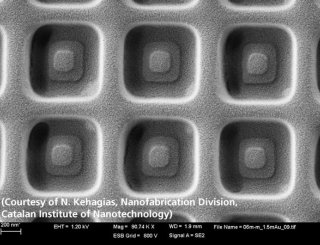
Step-and-repeat nanoimprint on pre-spin coated film for the fabrication of integrated optical devices
G Calafiore et al., J. Micro/Nanolith. MEMS MOEMS 14(3), 033506 Link to Abstract
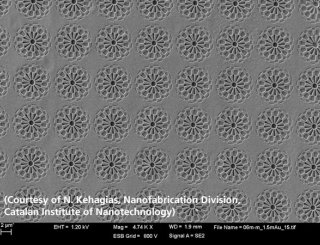
Efficient fabrication of photonic and optical patterns by imprinting the tailored photo-curable NIL resist «mr-NIL200»
M Messerschmidt et al., Poster, International Conference on Micro & Nano Engineering MNE2018, Copenhagen Link to Poster
UV-NIL
| Resist | Film Thickness [nm] spin coating @ 3000 rpm |
Recommended working stamp material | Special Feature |
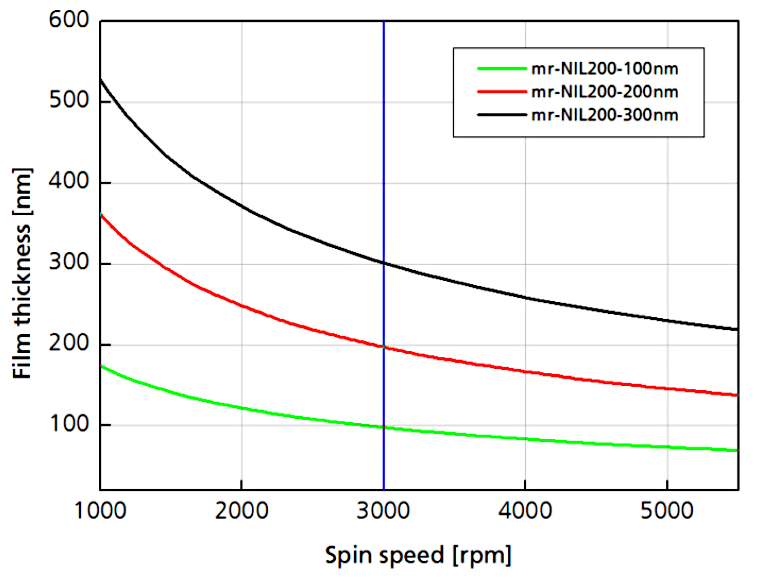
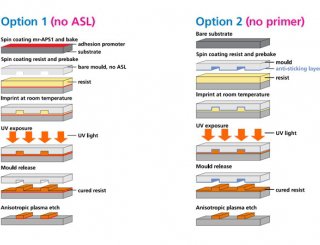
| mr-NIL200-100nm | 100 | non-porous | No primer required, r.t. process |
| mr-NIL200-200nm | 200 | ||
| mr-NIL200-300nm | 300 |
Film thickness and packages size
| Specifications | Film thickness and packages sizes |
| Ready to use solutions for standard film thickness (3000 rpm) | mr-NIL200-100 nm mr-NIL200-200 nm mr-NIL200-300 nm |
| Customized film thickness upon request between (3000 rpm) | 1 µm |
| Availalbe resist quantities | 250 ml 500 ml Larger volumes on request |
UV-NIL
| Resist | Film Thickness [nm] spin coating @ 3000 rpm |
Recommended working stamp material | Special Feature |
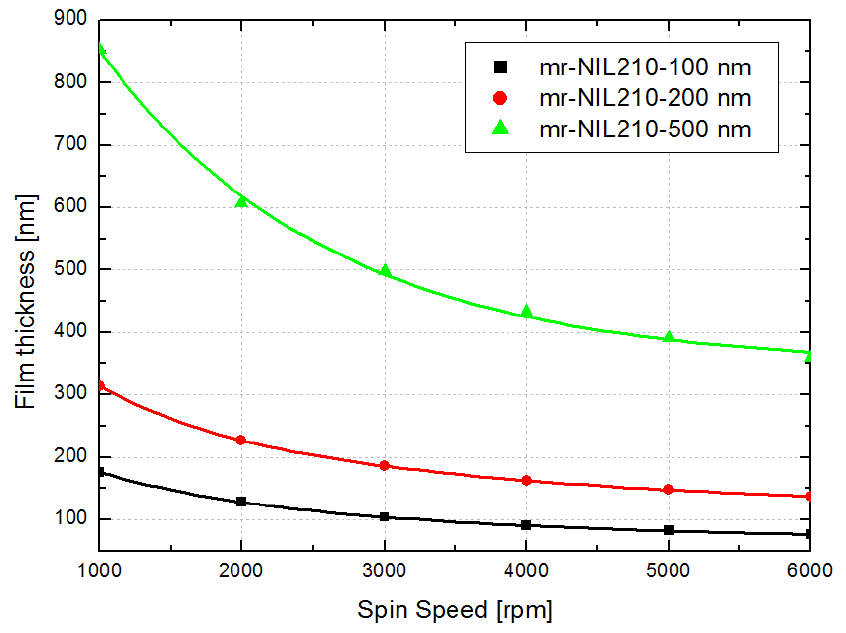
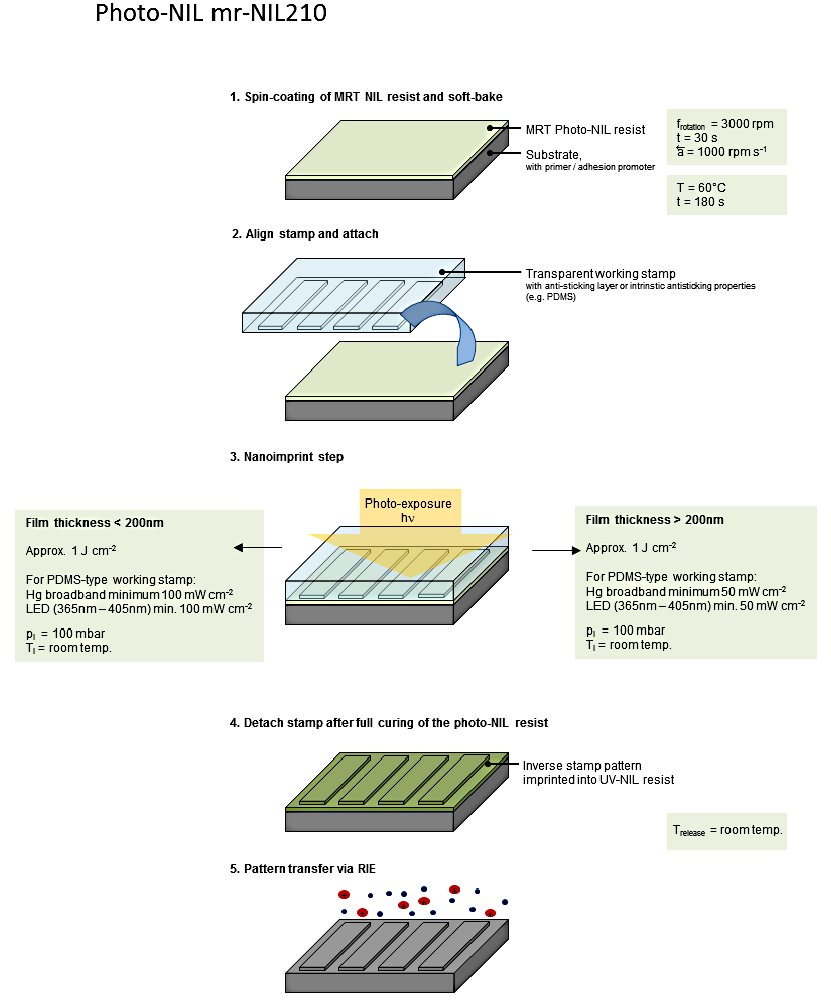
| mr-NIL210-100nm | 100 | porous soft stamp (e.g. PDMS) | Excellent film stability, r.t. process |
| mr-NIL210-200nm | 200 | ||
| mr-NIL210-500nm | 500 |
Our standard film thicknesses
| mr-NIL210 Version | Film thickness @3000 rpm* |
| mr-NIL210-100nm | 100 nm |
| mr-NIL210-200nm | 200 nm |
| mr-NIL210-500nm | 500 nm |
* Customized film thickness available on request up to 12.5 µm
UV-NIL
| Resist | Film Thickness [nm] spin coating @ 3000 rpm |
Recommended working stamp material | Special Feature |
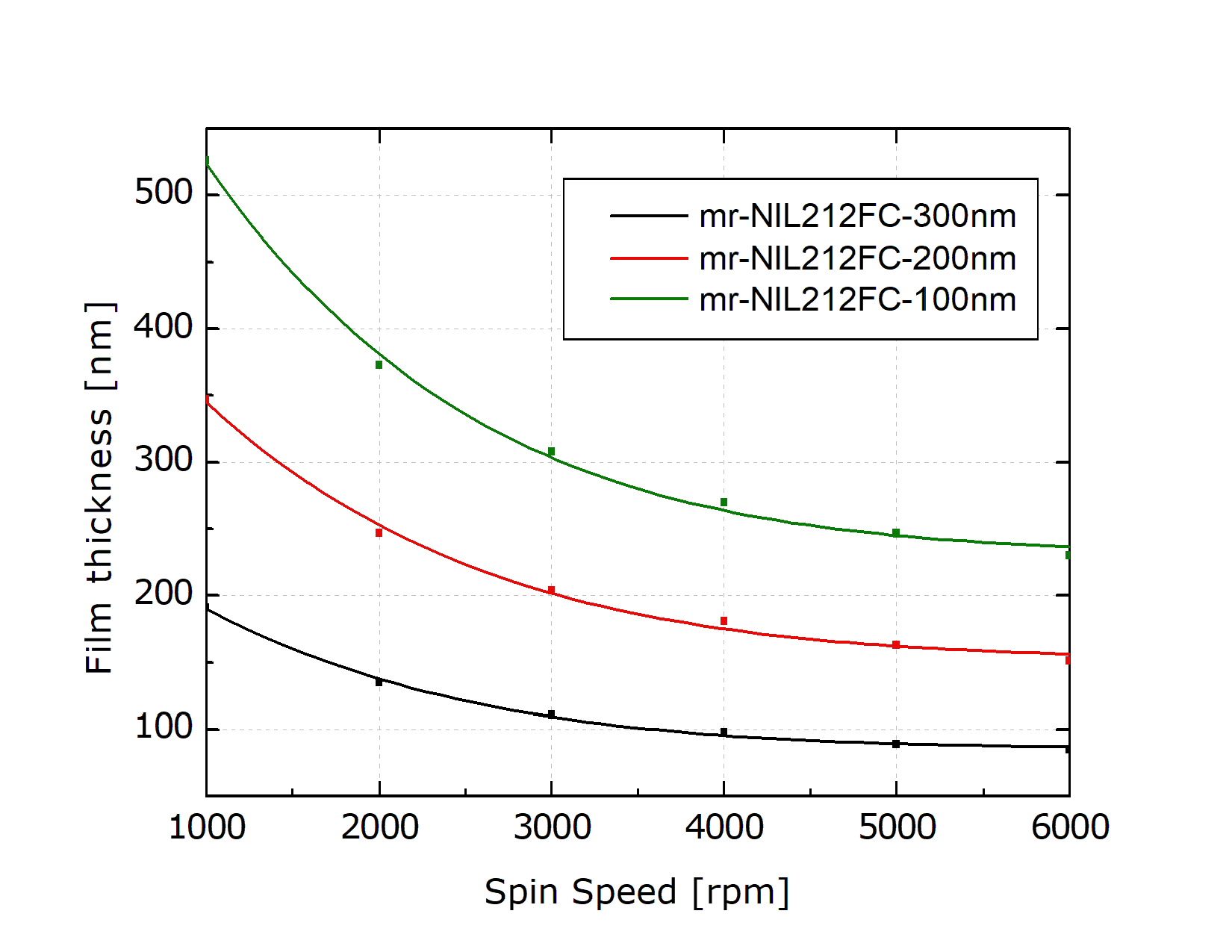
| mr-NIL212FC-100nm | 100 | porous soft stamp (e.g. PDMS) | Excellent film stability, r.t. process |
| mr-NIL212FC-200nm | 200 | ||
| mr-NIL212FC-300nm | 300 |
Our standard film thicknesses
| mr-NIL212FC version | Film thickness @3000 rpm* |
| mr-NIL212FC-100nm | 100 nm |
| mr-NIL212FC-200nm | 200 nm |
| mr-NIL212FC-300nm | 300 nm |
* Customized film thickness available upon request
UV-NIL
| Resist | Film Thickness [nm] spin coating @ 3000 rpm |
Recommended working stamp material | Special Feature |
| mr-XNIL26SF | 4.8 | non-porous | High fluorine content, low release forces, r.t. process, low RI, solvent-free |
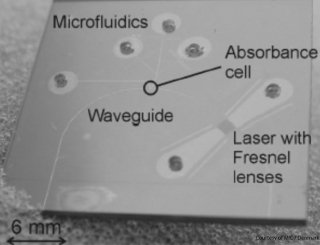
Lab-on-chip systems
T-NIL
| Resist | Film Thickness [nm] spin coating @ 3000 rpm |
GGlass transition temperature Tg [°C] | Special Feature |
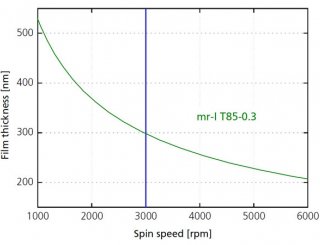
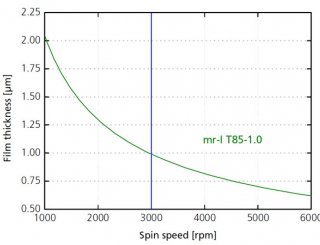
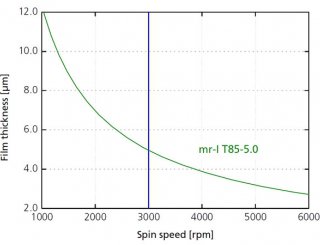
| mr-I T85-0.3 | 300 | 85 | high chemical and optical stability, high transparency |
| mr-I T85-1.0 | 1000 | ||
| mr-I T85-5.0 | 5000 |
| Material characteristics and imprint parameters | mr-I T85 |
| Glass transition temperature Tg | 85 °C |
| Imprint temperature | 130 – 150 °C |
| PImprint pressure | 5 – 20 bar |
| Ready-to-use solutions for various film thicknesses (3000 rpm) * | mr-I T85-0.3 300 nm
mr-I T85-1.0 1.0 µm mr-I T85-5.0 5.0 µm |
| Resist removal | Oxygen plasma |
* Customized film thickness up to 20 µm available on request
If necessary, please also use the general contact on our website – we will get back to you as soon as possible!
Photoresists for UV (mask aligner, laser)/ DUV and e-beam lithography
Positive Photoresists for UV lithography (mask aligner, laser, greyscale exposure) and e-beam lithography
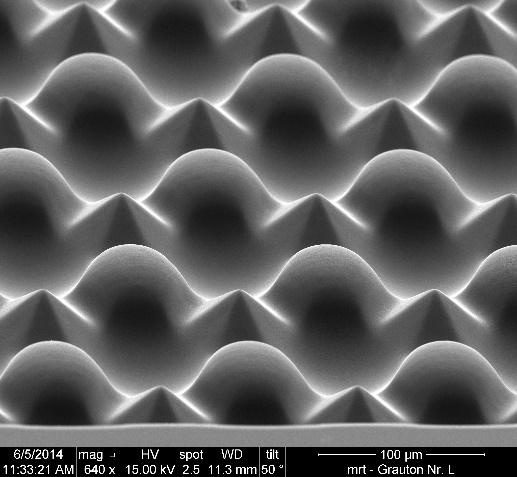
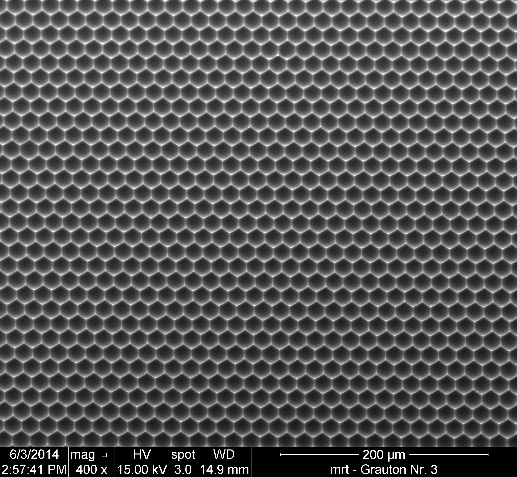
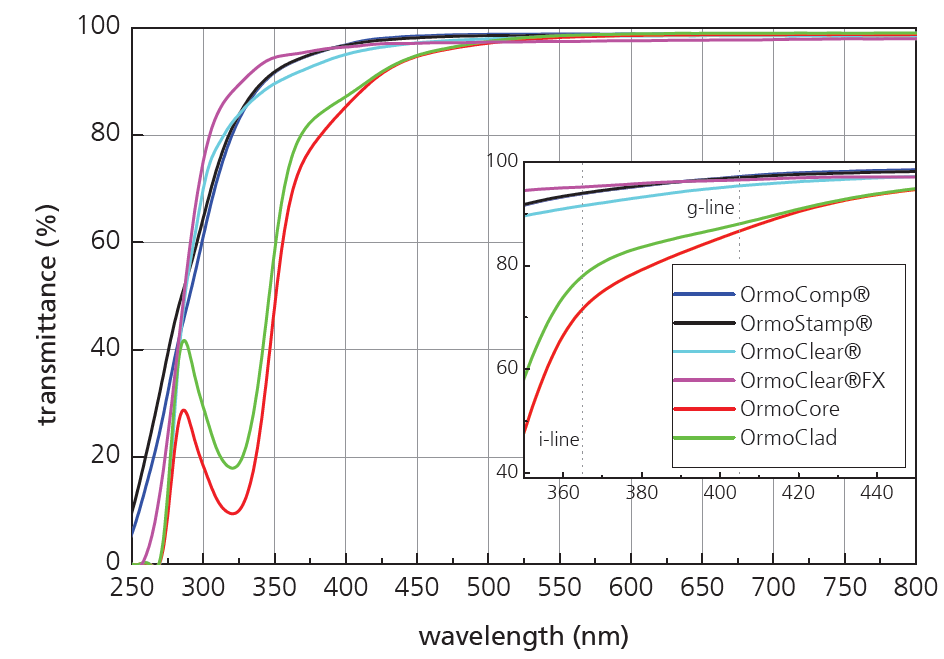
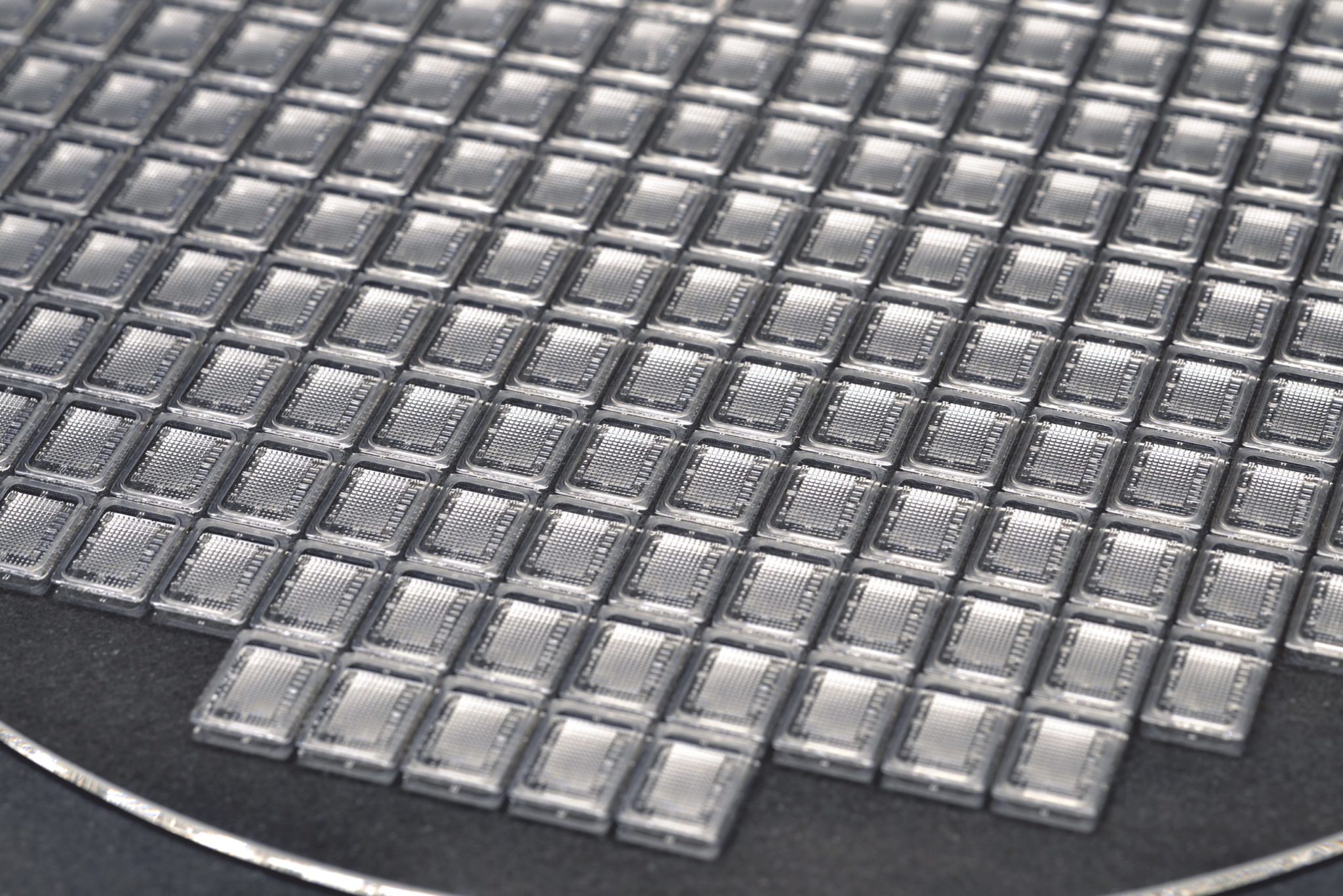
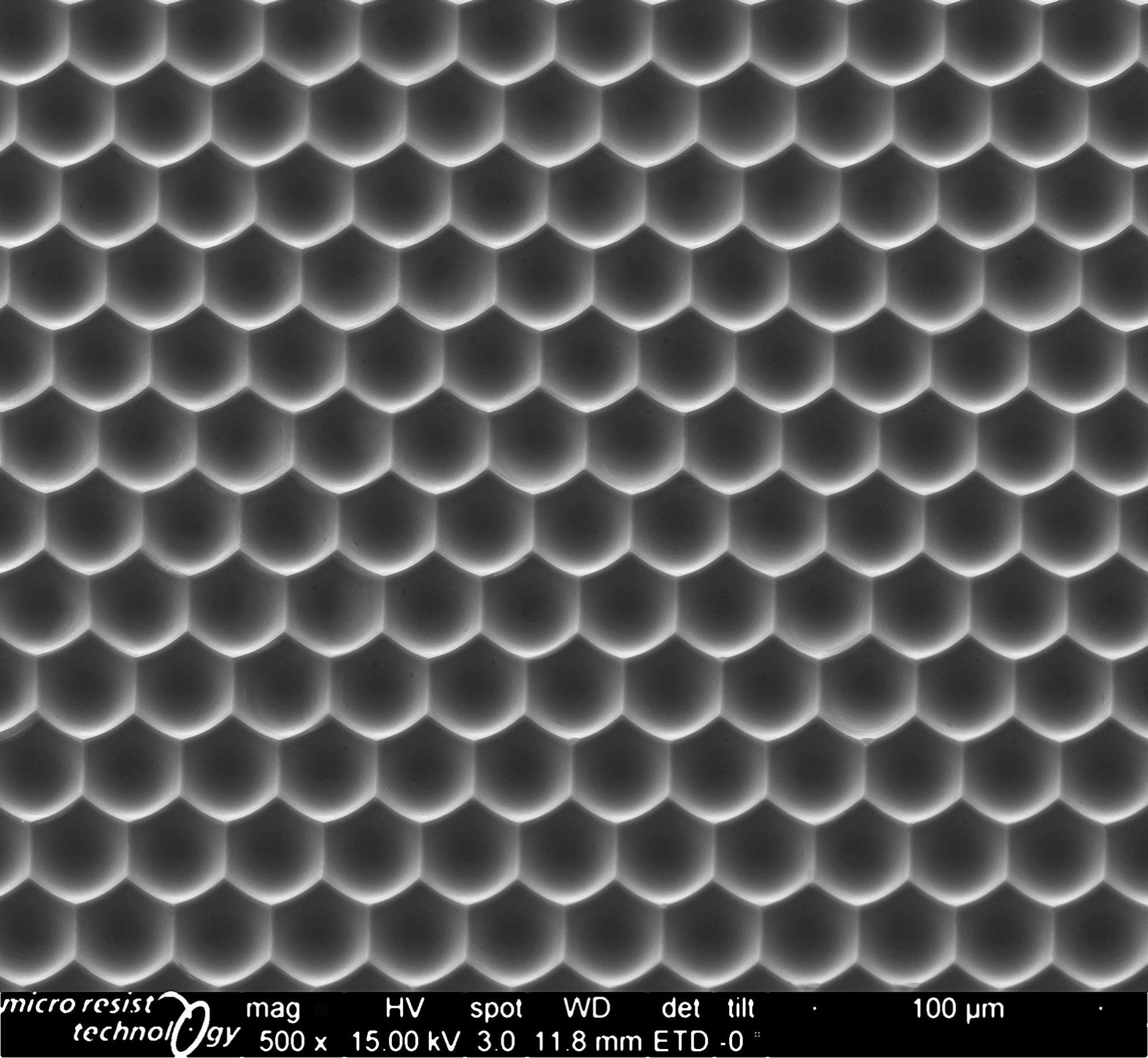
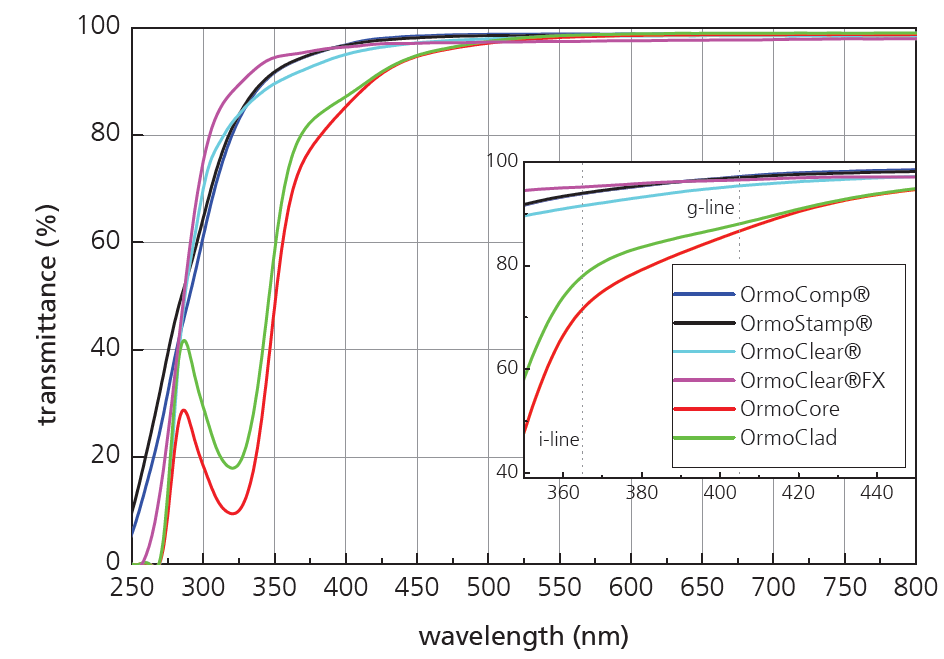
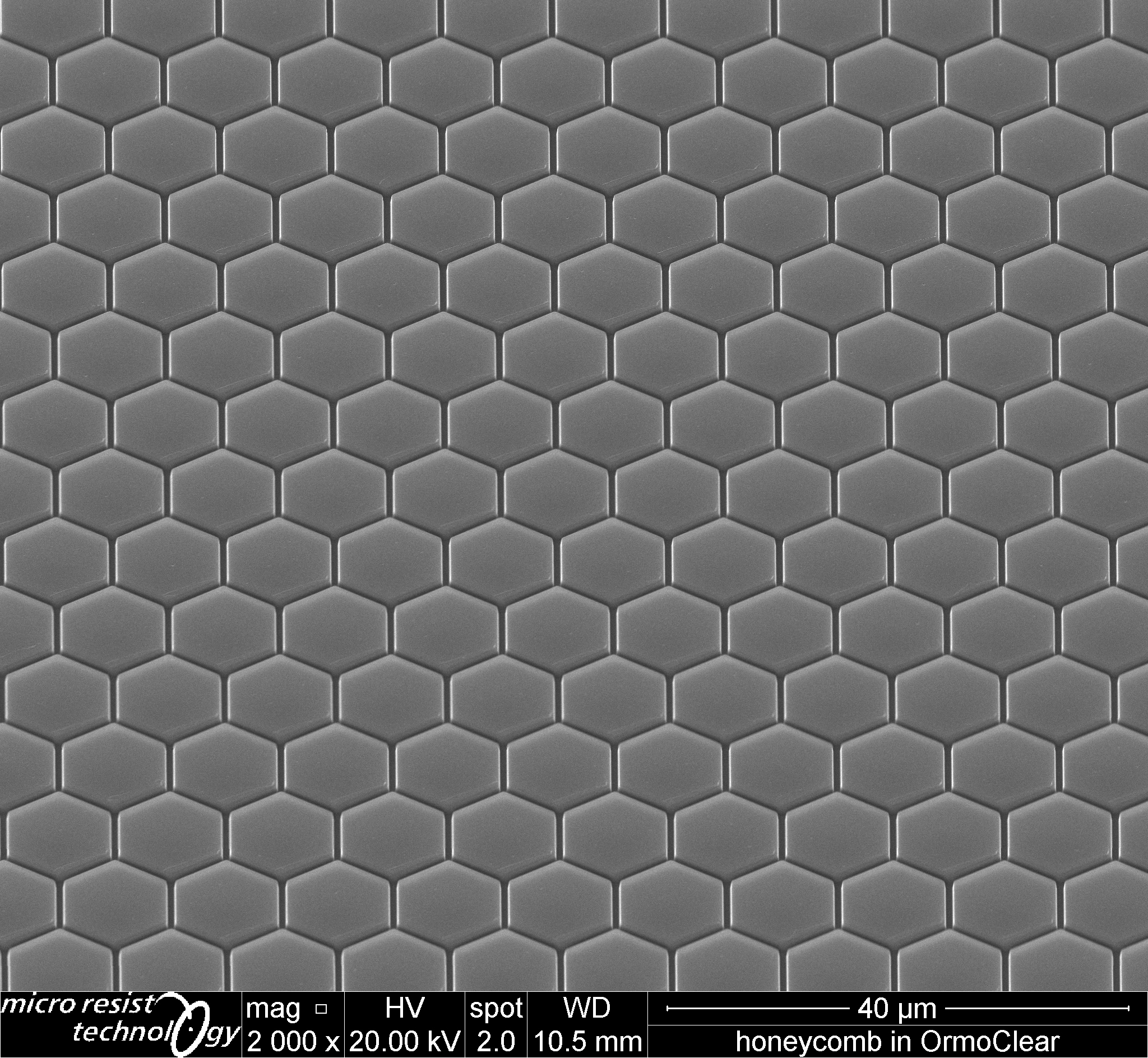
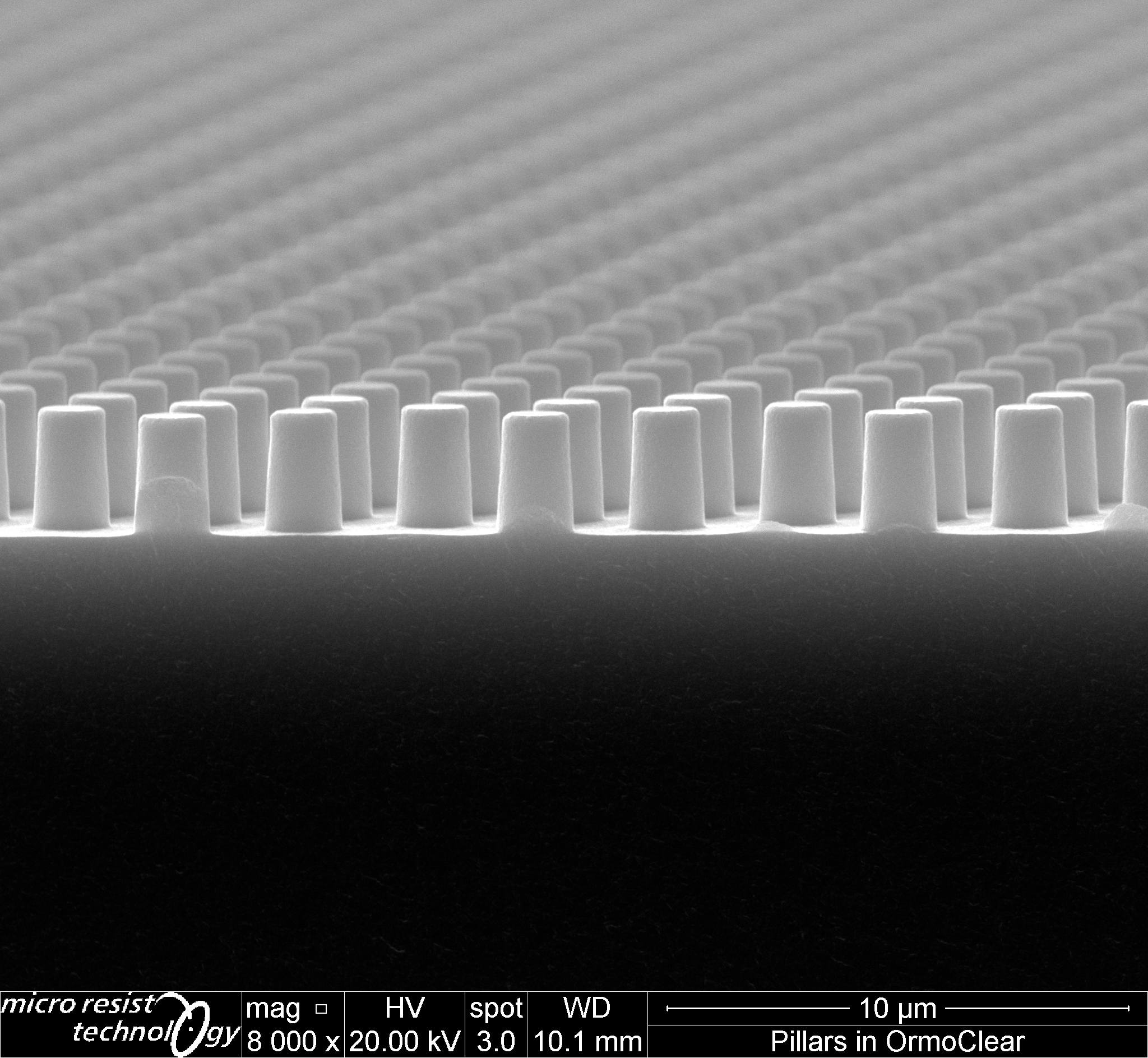
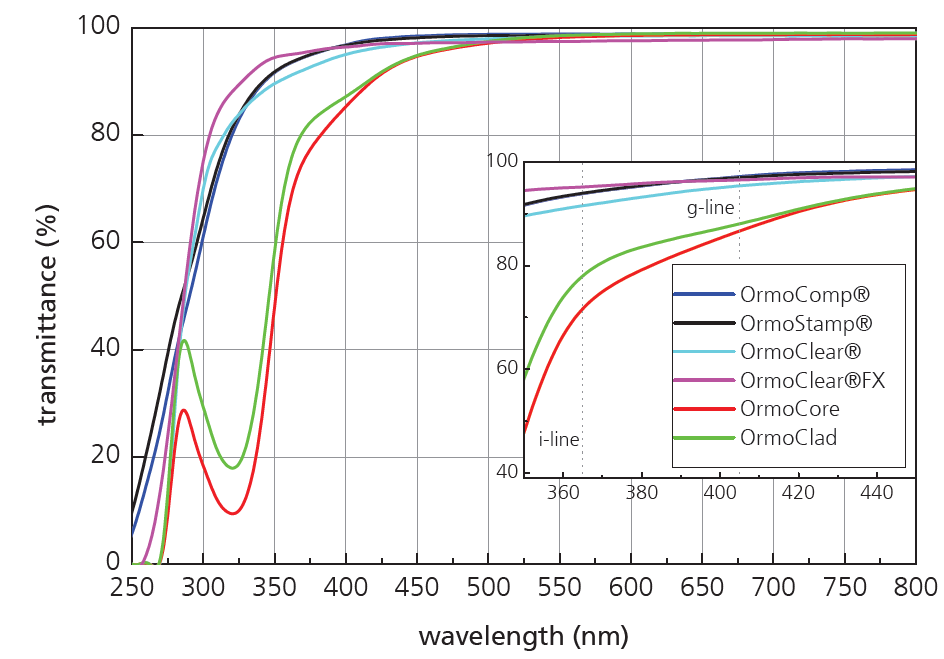
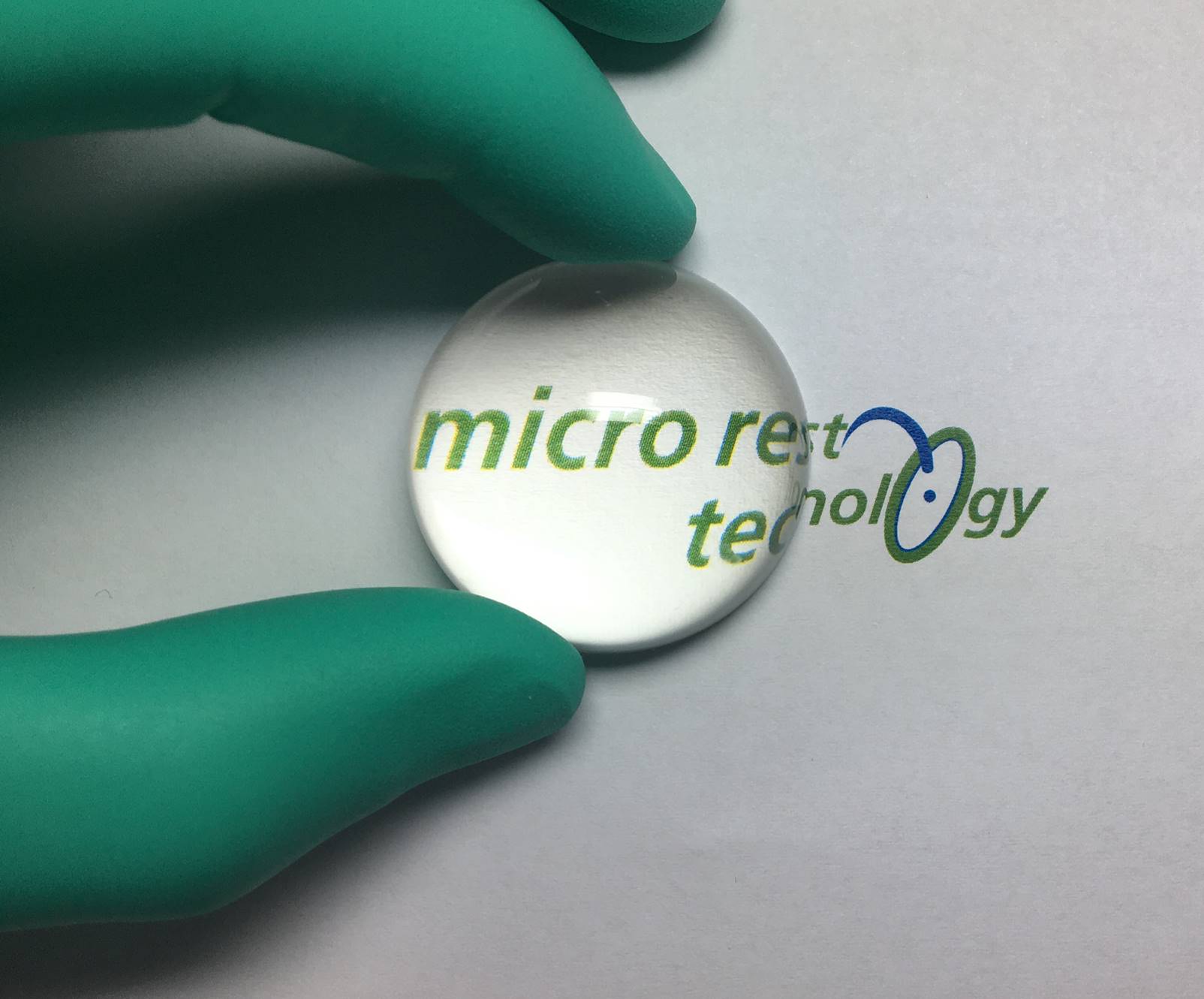
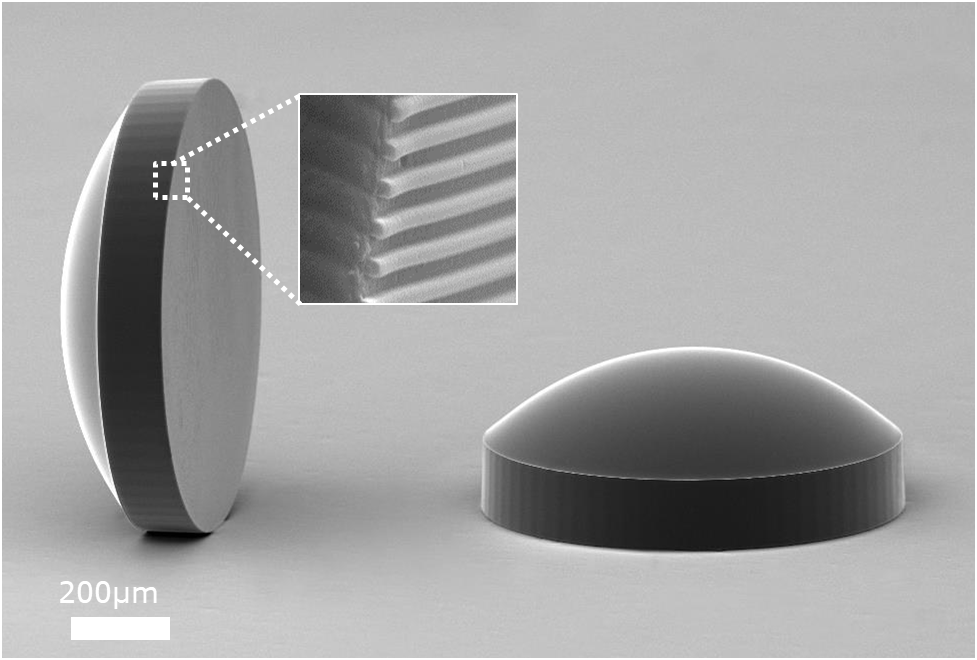
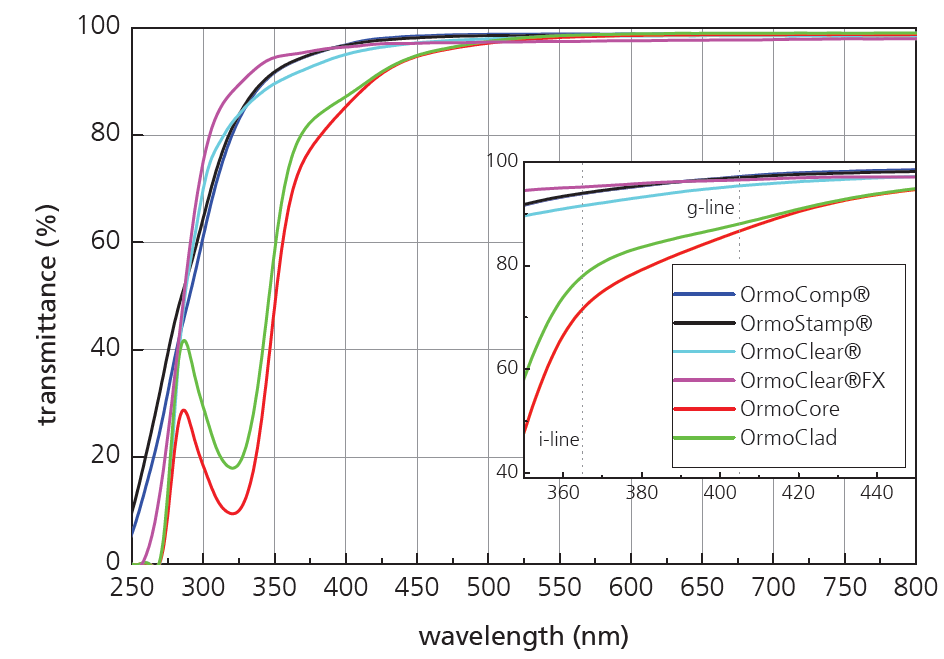
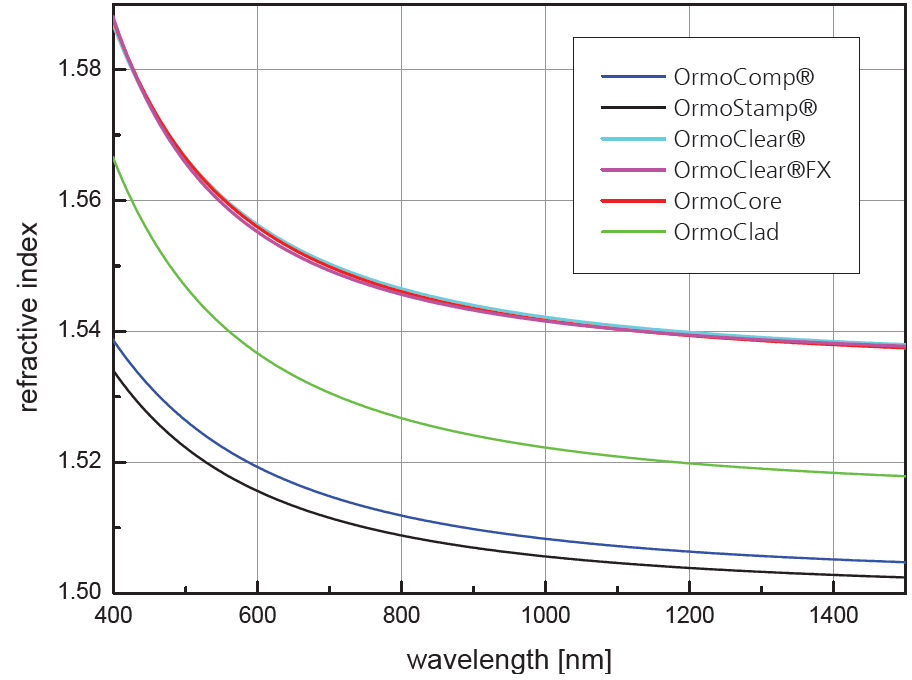
micro resist technology offers a broad portfolio of UV-curable hybrid polymer products for micro-optical applications. Their excellent optical transparency and high thermal stability makes them perfectly suitable for the production of polymer-based optical components and waveguides. The main fields of application are micro lenses, diffractive optical elements (DOE), gratings, and single-mode or multi-mode waveguides.
OrmoComp®: DE 30 210 075 433; IR 1 091 982 ; TW 100030626; OrmoClear®: DE 30 210 075 434; IR 1 091 359 ; TW 100030628; OrmoStamp®: DE 30 210 075 435; IR 1 092 621 ; TW 100030629; OrmoPrime®: DE 30 210 075 436
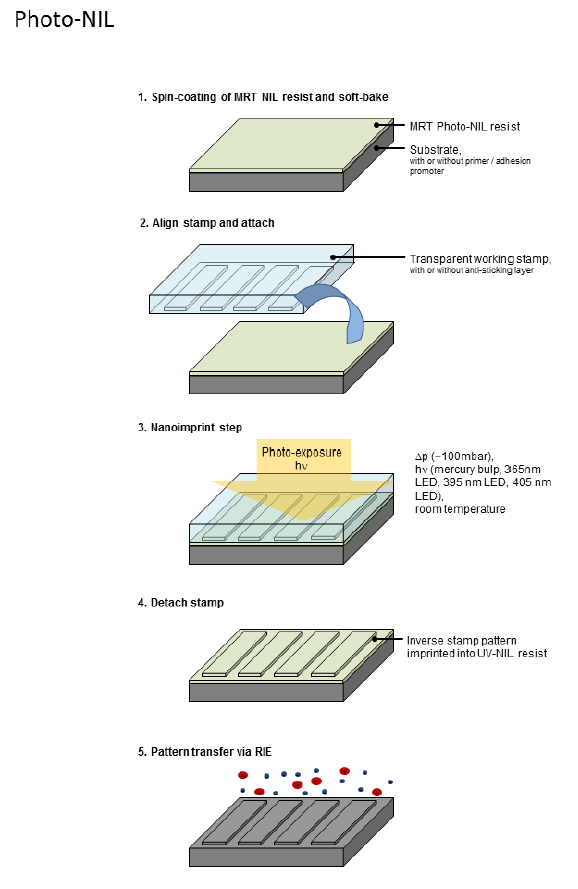
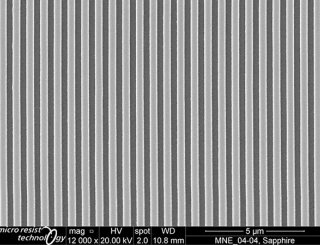
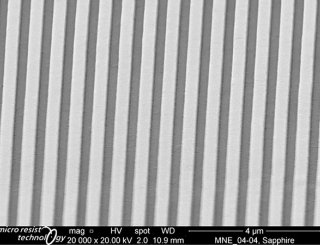
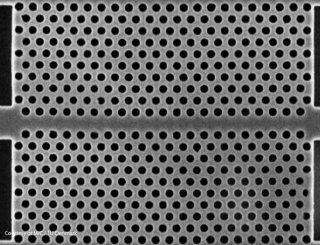
Nanoimprint Lithography (NIL) is a straight forward, low cost, and high throughput capable technology for the fabrication of nanometer scaled patterns. Main application fields are photonics, next generation electronics, as well as bio- and sensor applications.
micro resist technology GmbH has provided tailor-made resist formulations for nanoimprint lithography (NIL) since 1999. The unique key features of our products are outstanding film forming and imprinting performance beside excellent pattern fidelity and plasma etch stability. Besides our highly innovative material developments in close contact to industrial needs, our strength is the ability to adjust our materials in film thickness as well as addressing certain needs of the specific use cases within the formulation. Our nanoimprint resists are mostly applied as an etch mask for pattern transfer into various substrates, like Si, SiO2, Al or sapphire.
Our portfolio covers materials for the classical thermal NIL (T-NIL), in which a thermoplastic polymer is used, as well as UV-NIL, in which a liquid formulation is photo crosslinked upon photo exposure. With our technological expertise and know-how we are able to find the right material for your process and applications. Please contact us for your technical support!
Special designed functional materials from the product groups Hybrid Polymers, Photoresists, and Nanoimprint Polymers for the deposition and alternative patterning using inkjet printing process
Dry films are ready-to-use polymer films as laminate foil with a high accuracy of the film thickness and excellent adhesion behaviour on various substrates. They are very simple in handling, photo-structurable and both as cut sheets and as roll material available.
micro resist technology is a single entry point for specialty chemicals used in micro and nano manufacturing in Europe. The portfolio of in-house products is complemented by the strategic sales of associated products that are manufactured by our international partners. Here we act as a high-service distributor and offer European medium-sized companies a wide range of complementary products from a single source, which can be used for both established and innovative production and manufacturing processes.
Kayaku Advanced Materials, Inc. (formerly MicroChem Corp.)
We offer photoresists and specialty chemicals for MEMS and microelectronic applications from our partner Kayaku Advanced Materials, with whom we have been working for more than 20 years.
DJ MicroLaminates, Inc.
We offer dry film resists for MEMS, microfluidics and packaging applications from our partner DJ MicroLaminates, with whom we have been cooperating for over two years.
You are currently viewing a placeholder content from Vimeo. To access the actual content, click the button below. Please note that doing so will share data with third-party providers.
More InformationYou are currently viewing a placeholder content from YouTube. To access the actual content, click the button below. Please note that doing so will share data with third-party providers.
More InformationYou need to load content from reCAPTCHA to submit the form. Please note that doing so will share data with third-party providers.
More InformationYou are currently viewing a placeholder content from Google Maps. To access the actual content, click the button below. Please note that doing so will share data with third-party providers.
More InformationYou are currently viewing a placeholder content from Mapbox. To access the actual content, click the button below. Please note that doing so will share data with third-party providers.
More InformationYou are currently viewing a placeholder content from OpenStreetMap. To access the actual content, click the button below. Please note that doing so will share data with third-party providers.
More Information